How to Survive Ramadan in the Office: Productivity Tips for Employees & Employers
Stay Productive in the Office During Ramadan
Ramadan is a special month of reflection, discipline, and spiritual growth. But while fasting from dawn to sunset brings personal benefits, it also changes daily routines — especially in the workplace. Energy levels shift, sleep patterns adjust, and focus fluctuates throughout the day.
For businesses and professionals, the goal is simple: maintain productivity while respecting wellbeing.
This guide explains how employees can stay effective during fasting hours and how employers can create a supportive environment — leading to a healthier and more productive office culture.
Understanding Workplace Challenges During Ramadan
Fasting affects the body differently than a normal workday routine. The most common office challenges include:
- Lower energy in the afternoon
- Dehydration affecting concentration
- Changes in sleep patterns
- Reduced patience in long meetings
- Physical fatigue from prolonged sitting
Instead of forcing a normal workflow, smart workplaces adapt their structure.
Tips for Employees: Staying Productive While Fasting
1. Plan Your Work Around Your Energy Peaks
Your focus is strongest in the morning after Suhoor.
Best tasks for morning:
- Analytical work
- Reports
- Decision-making
- Important communication
Best tasks for afternoon:
- Emails
- Routine tasks
- Administrative work
Think of Ramadan as working in productivity “waves” rather than constant performance.
2. Prioritise Smart Hydration After Iftar
Dehydration is the biggest productivity killer during fasting.
After sunset:
- Drink water gradually (not all at once)
- Avoid excessive caffeine
- Reduce sugary drinks
- Eat balanced meals
Proper hydration directly improves next-day concentration.
3. Adjust Your Meeting Strategy
Long meetings during fasting hours reduce effectiveness.
Instead:
- Request shorter meetings
- Schedule discussions early morning
- Use written communication when possible
You’ll save energy and work more efficiently.
4. Protect Your Physical Comfort
When fasting, the body tires faster — especially from poor posture.
Small discomfort becomes major fatigue.
To reduce strain:
- Sit with proper back support
- Keep screen at eye level
- Avoid rigid chairs
- Take brief standing breaks
Comfortable seating significantly reduces exhaustion during fasting days.
5. Manage Sleep Intentionally
Ramadan changes sleep cycles. Instead of fighting it:
- Take a 20-minute rest when possible
- Sleep earlier after Taraweeh
- Avoid heavy late-night screen usage
Better sleep = better work focus.
Tips for Employers: Supporting Staff During Ramadan
A supportive workplace doesn’t reduce productivity — it improves it.
Companies that adapt see better morale and higher performance.
1. Offer Flexible Working Hours
Allowing adjusted schedules helps employees work at peak mental clarity.
Examples:
- Earlier start & earlier finish
- Hybrid work days
- Reduced late afternoon workload
Flexibility increases output because employees work when most alert.
2. Shorten and Structure Meetings
Replace long meetings with focused discussions:
- 15-20 minute limit
- Clear agenda
- Morning scheduling
- Avoid pre-iftar meetings
Teams stay engaged instead of drained.
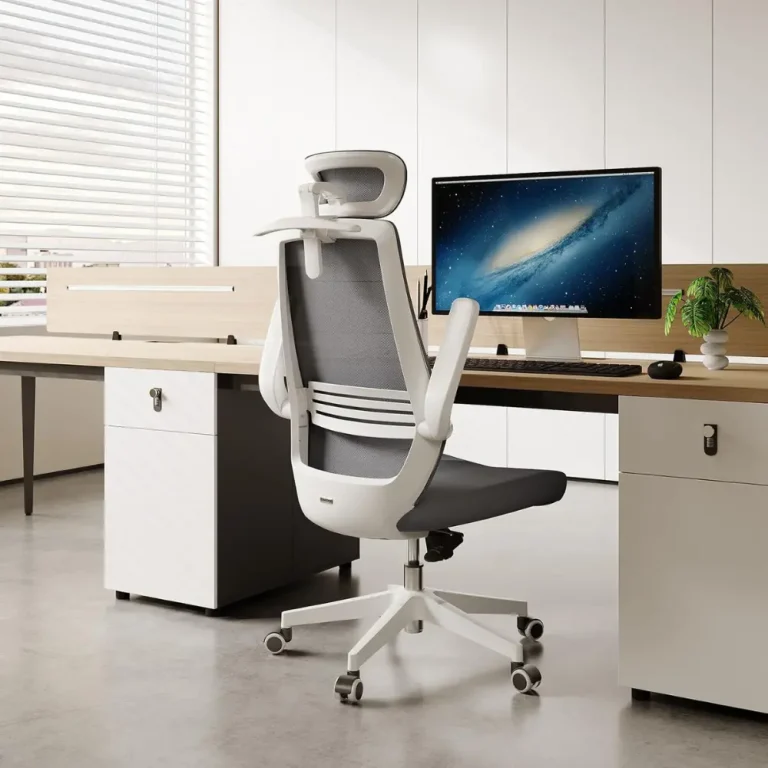
3. Provide a Comfortable Workspace
Physical strain becomes stronger during fasting.
A supportive office should include:
- Ergonomic seating
- Relaxed breakout areas
- Quiet corners for short rest
- Calm lighting environment
A well-designed workspace from Empress Furniture helps reduce fatigue and maintain concentration throughout the day.
4. Create a Respectful Office Culture
Simple gestures make a big difference:
- Avoid scheduling lunch meetings
- Respect prayer times
- Encourage teamwork and patience
- Allow short breaks
Employees feel valued — and work harder.
5. Adjust Performance Expectations (Smartly)
Ramadan is not about reducing productivity — it’s about managing it differently.
Focus on:
- Output quality instead of hours
- Clear priorities
- Realistic deadlines
Teams often deliver equal or better results with structured goals.
Designing a Ramadan-Friendly Office Environment
A calm environment helps fasting employees stay focused longer.
Recommended adjustments:
- Softer lighting
- Decluttered desks
- Comfortable chairs
- Quiet collaboration zones
- Organized meeting rooms
When the environment reduces physical stress, mental performance improves.
Benefits of a Supportive Ramadan Workplace
Organizations that adapt properly notice:
- Higher morale
- Less burnout
- Better teamwork
- Improved loyalty
- Stronger company culture
Ramadan becomes a month of cooperation rather than fatigue.
Final Thoughts
Ramadan does not reduce productivity — it changes how productivity works.
Employees should manage energy wisely, and employers should create supportive conditions. When both sides adapt, the workplace becomes more balanced, respectful, and efficient.
A comfortable environment, flexible scheduling, and mindful communication transform Ramadan into a period of focus, discipline, and growth for everyone.